

Understanding Two Essential Fire Protection Systems
When planning a fire protection system for a commercial or industrial facility, two of the most important components are the fire hydrant system and the fire sprinkler system. While both are designed to protect lives and property from fire, they serve different purposes and operate in different ways.
Understanding the differences between these systems can help building owners and facility managers choose the right fire protection solution for their premises.
What Is a Fire Hydrant System?
A fire hydrant system is a network of pipes, valves, hydrants, hoses, and pumps that supplies a continuous flow of water to firefighters during a fire emergency. It allows trained personnel or the local fire department to quickly connect hoses and combat large fires.
Main Components
- Fire Water Storage Tank
- Fire Pumps
- Underground & Overhead Piping
- Hydrant Valves
- Landing Valves
- Hose Reels
- Hose Cabinets
Best Applications
Fire hydrant systems are commonly installed in:
- Manufacturing Plants
- Warehouses
- Commercial Buildings
- High-Rise Buildings
- Shopping Malls
- Hospitals
- Educational Institutions
- Industrial Facilities
What Is a Fire Sprinkler System?
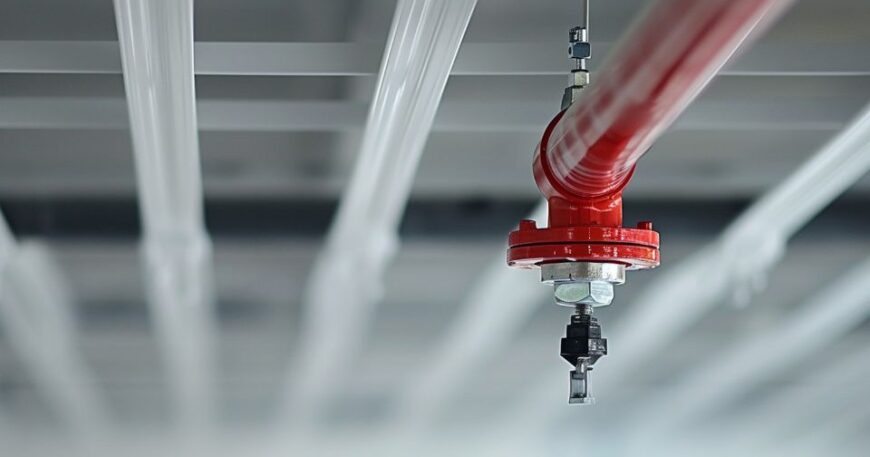
A fire sprinkler system is an automatic fire suppression system designed to detect heat and discharge water directly onto the affected area. Unlike hydrant systems, sprinklers activate automatically without requiring human intervention.
Each sprinkler head operates independently, meaning only the sprinkler closest to the fire is activated in most situations.
Main Components
- Sprinkler Heads
- Water Supply System
- Control Valves
- Distribution Piping
- Alarm Valve
- Fire Pump (where required)
Best Applications
Sprinkler systems are widely used in:
- Offices
- Hotels
- Hospitals
- Retail Stores
- Apartment Buildings
- Data Centers
- Educational Institutions
- Commercial Complexes
Key Differences Between Fire Hydrant and Fire Sprinkler Systems
| Feature | Fire Hydrant System | Fire Sprinkler System |
|---|---|---|
| Operation | Manual | Automatic |
| Purpose | Supports firefighting by trained personnel | Detects and suppresses fire automatically |
| Activation | Firefighters connect hoses to hydrants | Sprinkler heads activate when exposed to heat |
| Response Time | Depends on manual intervention | Immediate automatic response |
| Coverage | Entire building through hydrant points | Specific area where fire occurs |
| Water Usage | Controlled manually | Releases water only from activated sprinkler heads |
| Best For | Large industrial and commercial facilities | Buildings requiring immediate fire suppression |
Which System Is Better?
The answer depends on your building and its fire protection requirements.
Choose a Fire Hydrant System if:
- You operate a large industrial or commercial facility.
- Your property requires high-capacity firefighting support.
- You need water access for trained emergency responders.
Choose a Fire Sprinkler System if:
- Early fire suppression is a priority.
- Your building is occupied by employees, customers, or residents.
- You want automatic protection before firefighters arrive.
In many commercial and industrial buildings, both systems are installed together to provide comprehensive fire protection.
Benefits of Installing Both Systems
Using both hydrant and sprinkler systems provides multiple layers of protection, including:
- Early fire detection and suppression
- Improved occupant safety
- Reduced property damage
- Faster emergency response
- Better compliance with fire safety regulations
- Increased business continuity
- Enhanced protection for valuable assets
A combined fire protection approach offers greater reliability and significantly reduces the impact of fire emergencies.
Maintenance Is Equally Important
Regardless of the system you install, regular inspection and maintenance are essential. Routine servicing helps ensure that pumps, valves, pipes, sprinkler heads, hydrants, and control systems remain in excellent working condition.
An Annual Maintenance Contract (AMC) provides scheduled inspections, testing, preventive maintenance, and timely repairs to keep your fire protection systems fully operational.
Choosing the Right Fire Protection Partner
A professional fire protection company can help you:
- Assess your building’s fire safety requirements.
- Design a customized fire protection system.
- Supply high-quality equipment.
- Install and commission the system.
- Provide regular inspections and maintenance.
- Ensure compliance with applicable fire safety standards.
Working with experienced professionals ensures that your fire protection systems perform reliably when they are needed most.
Conclusion
Both fire hydrant systems and fire sprinkler systems play a critical role in protecting lives and property. While hydrant systems support firefighters with a reliable water supply, sprinkler systems automatically detect and suppress fires at their earliest stage.
For maximum safety, many facilities benefit from installing both systems as part of a comprehensive fire protection strategy. By combining professional design, quality installation, and regular maintenance, businesses can create a safer environment and minimize the risks associated with fire emergencies.